Trailers are workhorses. Some haul landscaping equipment, motorcycles, ATVs, tools, or furniture. Others carry what makes weekends worth it—boats, campers, or gear for family getaways. Either way, trailers tend to live in two worlds: part of your driving life and part of your property life.
That “in-between” reality is exactly why trailer insurance is often overlooked—and why it’s worth understanding before a loss happens.
Trailer insurance is coverage designed to help protect your trailer and, depending on the policy, certain related costs if you experience an accident or other covered damage. Its purpose is to help you avoid paying out of pocket for repairs, replacement, and liability-related expenses tied to trailer ownership and use.
 What Trailer Insurance Is—and Why It’s Often Separate from Your Auto Policy
Trailer insurance generally helps cover losses such as repairs or replacement after an accident or other damage. In some cases, it may also help cover medical bills if someone is injured while using the trailer, as well as theft or vandalism.
Trailer coverage may be purchased as a separate policy or added to an existing policy, depending on your situation and insurer. This matters because trailers include many different categories, each with unique risks.
- Small utility trailers
- Enclosed cargo trailers
- Boat trailers
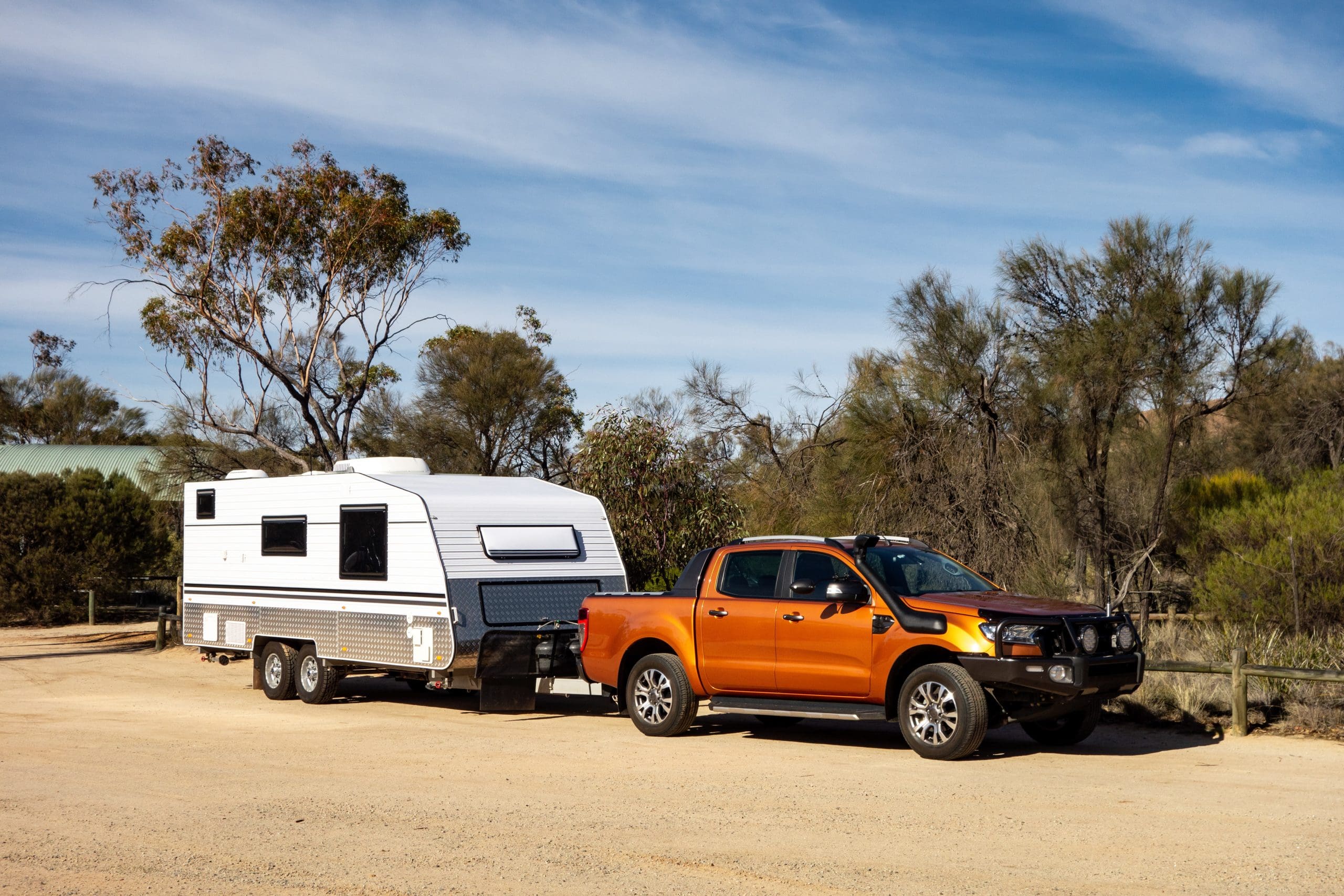
- Travel trailers (towed campers)
- Specialty or custom trailers
- Commercial-use trailers
Because these trailers are used differently, insurers often treat them differently than standard passenger vehicles.
The Three Coverage Building Blocks You’ll See Most Often
Most trailer insurance policies are built around the same core protections found in auto insurance: liability, collision, and comprehensive.
1. Liability Coverage
Liability coverage applies to injuries or property damage you’re legally responsible for. When towing a trailer, liability questions can become complicated—especially if the trailer detaches or contributes to a crash.
Many auto policies may provide some liability coverage while towing, but typically only under specific conditions such as proper attachment, legal road use, and weight limits. Liability coverage generally applies to damage or injury to others, not damage to the trailer itself.
This matters because responsibility can change if the trailer is borrowed, rented, or used for business purposes.
2. Collision Coverage
Collision coverage generally helps pay for damage to the trailer caused by a collision, regardless of fault, subject to your deductible.
3. Comprehensive Coverage
Comprehensive coverage usually applies to non-collision losses such as theft, vandalism, fire, or certain weather-related events.
What About the Contents Inside the Trailer?
This is one of the most common coverage gaps. While some policies may reference protecting a trailer and its contents, how contents are actually covered can vary widely.
- Some trailer policies may allow personal property coverage for items stored in or used with the trailer.
- Some situations rely on homeowners or renters insurance, often with limits or exclusions.
- Business equipment may require separate commercial coverage.
Determining the value of both the trailer and its contents is critical when choosing coverage.
Common Exclusions and Fine Print to Watch For
Trailer policies can differ significantly, making it important to understand exclusions that commonly apply.
- Flood and earthquake: Many policies exclude flood or earthquake damage unless separate coverage is added.
- Customizations and modifications: Custom parts may not be covered unless specifically confirmed.
- Wear and tear: Insurance is for sudden, accidental loss—not gradual deterioration.
- Commercial use: Hauling for pay or regular business use may require commercial insurance.
Is Trailer Insurance Required in Ohio?
Insurance requirements depend on state law, trailer classification, registration, and usage.
Ohio law requires insurance to operate a motor vehicle, with minimum liability limits set by the state. Whether coverage is required or advisable for the trailer itself depends on its value, financing, storage, and use.
The safest approach is to confirm coverage requirements directly with your insurer or agent.
A Smart Checklist for Choosing Trailer Insurance
Step 1: Know What You Own and How It’s Used
- Trailer type
- Ownership status
- Personal or business use
- Storage location
Step 2: Establish Value
- Purchase documents or bill of sale
- Photos of the trailer
- Serial number or VIN
- List of upgrades and carried items
Step 3: Ask Coverage Questions in Plain English
- What liability coverage applies while towing?
- Is the trailer itself covered for collision and comprehensive losses?
- Are contents inside the trailer covered, and under what policy?
- Are theft and vandalism covered while parked?
- Are custom parts included?
- Are there exclusions for flood, storage location, or business use?
 Step 4: Choose Deductibles Carefully
Select deductibles that reflect what you could realistically afford to pay after a loss.
How Zingale & Associates Can Help
Zingale & Associates is a full-service insurance agency serving individuals and businesses in Northeast Ohio. With over 20 years of experience, we provide guidance on trailer and camper insurance options and help clients identify coverage that fits their needs.
Contact us today to discuss trailer insurance and protect what you tow.