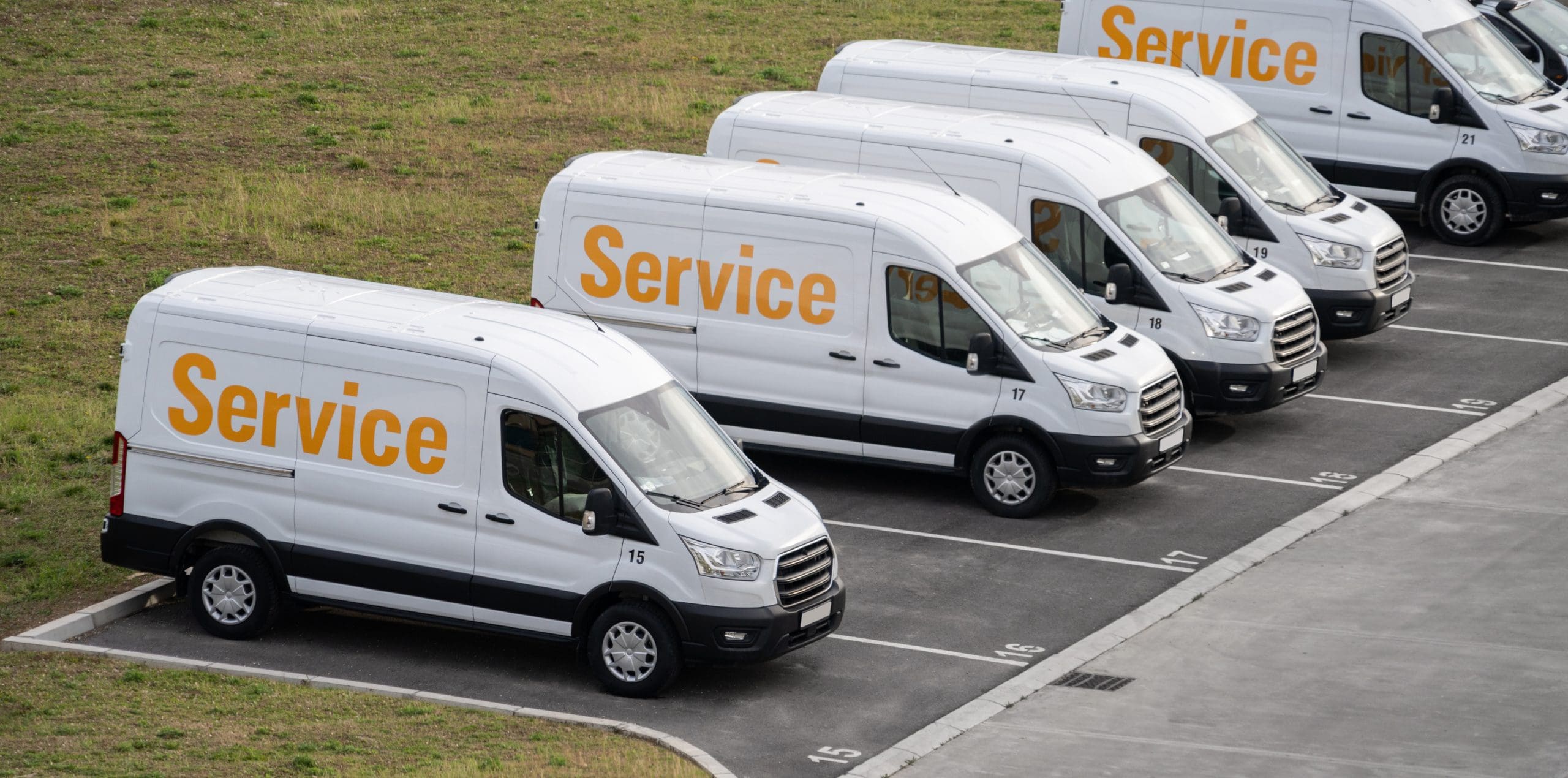
In today’s fast-paced business world, mobility is often a key component of success. Whether you operate a delivery service, a construction company, or a fleet of vehicles for any other purpose, protecting your assets on the road is paramount. This is where commercial vehicle insurance comes into play. We’ll walk you through everything you need to know about auto insurance for commercial vehicles.
Understanding Auto Insurance for Commercial Vehicles
Commercial vehicle insurance is a specialized form of coverage designed to protect vehicles used for business purposes. This includes a wide range of vehicles, from company cars to large trucks and everything in between. Unlike personal auto insurance, which covers vehicles primarily for personal use, commercial insurance is tailored to the unique risks and requirements of businesses.
Differences Between Personal and Commercial Auto Insurance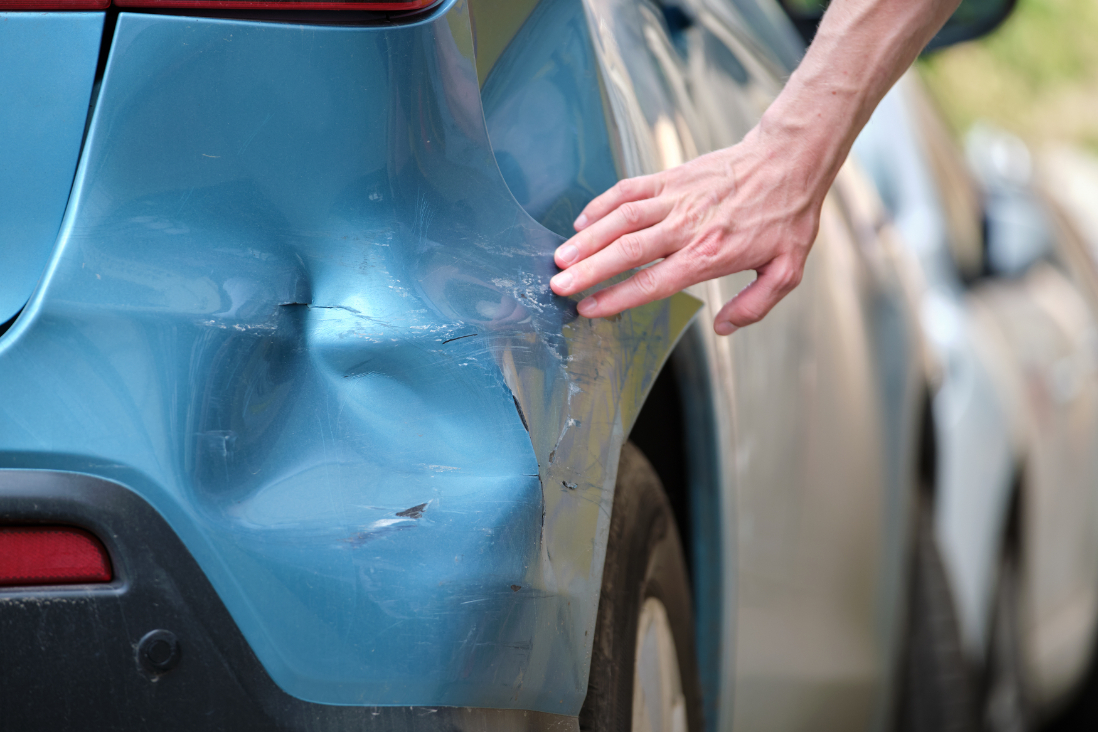
Personal and commercial auto insurance cover different aspects based on the usage of the vehicle. Personal auto insurance, as the name suggests, is designed to cover individuals using their vehicle for personal, non-commercial activities. It typically covers liability for injuries or damage you cause, damages to your own vehicle, and possibly medical costs for you and your passengers.
On the other hand, commercial auto insurance is meant for vehicles used primarily for business purposes. It generally covers higher liability limits, and property damage, and can include coverage for goods or equipment carried in the vehicle. The risk associated with business usage, such as increased mileage, carrying heavy equipment, or transporting goods or people, generally makes commercial auto insurance more expensive than personal auto insurance.
Types of Vehicles Covered under Commercial Insurance
Commercial vehicle insurance encompasses a wide range of vehicles, including:
- Cars and Vans: Used for transportation of employees or small deliveries.
- Trucks: Ranging from light-duty pickups to heavy-duty haulers.
- Trailers: Used for transporting goods or equipment.
- Specialty Vehicles: Such as food trucks, mobile offices, or construction vehicles.
Requirements for Auto Insurance for Commercial Vehicles
In the United States, commercial vehicle insurance is a legal necessity for businesses that utilize vehicles for their operations. The Federal Motor Carrier Safety Administration (FMCSA) mandates that commercial vehicles carrying goods or passengers across state lines must have a minimum level of liability insurance.
This coverage is designed to protect third parties in the event of an accident. The minimum required coverage varies depending on the type and use of the vehicle. For instance, vehicles transporting hazardous materials must carry at least $5 million in liability insurance. It’s crucial for business owners to understand these requirements and ensure they have the appropriate level of coverage to avoid legal consequences and protect their business interests.
Minimum Coverage Limits for Commercial Vehicles
The minimum coverage limits for commercial vehicles vary by location and are often higher than those for personal vehicles. These limits typically include liability coverage to protect against bodily injury and property damage claims, as well as other mandated coverages.
Penalties for Operating without Proper Insurance
Driving a commercial vehicle without proper insurance is not only risky but also illegal. Penalties for non-compliance can be severe, potentially leading to significant financial losses and legal consequences for your business.
Coverage Options for Commercial Vehicles
Commercial vehicle insurance offers a range of coverage options to address various risks associated with business operations on the road. Understanding these options will help you tailor a policy that meets your specific needs.
Liability Insurance
This is the foundation of any commercial vehicle insurance policy. It covers costs associated with injuries or property damage for which your business is legally liable.
Physical Damage Coverage
Physical Damage Coverage is a type of auto insurance that includes comprehensive and collision coverage. Comprehensive coverage protects against damages to your vehicle caused by unexpected incidents like fire, theft, vandalism, or natural disasters.
Collision coverage, on the other hand, covers the cost of repairing or replacing your vehicle if it’s damaged in an accident, regardless of who is at fault. In essence, Physical Damage Coverage is designed to help you cover the costs related to repairing or replacing your vehicle when it’s damaged in scenarios other than a collision with another vehicle.
Uninsured/Underinsured Motorist Coverage
This covers your business in case of an accident caused by a driver who lacks sufficient insurance coverage.
Cargo Insurance (If Applicable)
For businesses involved in transporting goods, cargo insurance provides coverage for damage, theft, or loss of the cargo being transported.
Other Optional Coverages
Depending on your business and industry, additional coverage may be necessary, such as hired auto coverage for rented vehicles or non-owned auto coverage for employees’ personal vehicles used for business purposes.
Factors Affecting Commercial Vehicle Insurance Rates
Several factors influence the cost of commercial vehicle insurance. Understanding these factors can help you take proactive steps to manage your insurance costs effectively.
Type of Business and Industry
Certain industries pose higher risks than others, influencing insurance rates. For example, a construction company with heavy equipment may have higher premiums than a consulting firm.
Size and Weight of the Vehicle(s)
Larger and heavier vehicles typically have higher insurance premiums due to the increased potential for damage in accidents.
Driving History of the Employees
The driving records of your employees who operate company vehicles can impact insurance rates. Employing drivers with clean records can lead to lower premiums.
Annual Mileage and Routes
The distance your vehicles travel and the routes they take can affect insurance costs. Vehicles that cover longer distances or operate in densely populated areas may face higher premiums.
Safety Features and Equipment
Equipping your vehicles with safety features, such as airbags, anti-lock brakes, and GPS tracking, can lead to lower insurance rates. Additionally, implementing safety training programs for drivers can demonstrate your commitment to minimizing risks.
Auto Insurance for Lakewood, OH From Zingale & Associates

If you’re in need of experienced auto insurance professionals, don’t hesitate to reach out to Zingale & Associates . Our team of skilled and dedicated insurance carriers is ready to provide the guidance you need. Don’t let auto insurance troubles weigh you down – call Zingale & Associates today at (216) 393-3300 or on our website for a consultation.

The path to becoming an insurance agency owner has been exciting. I attended the University of Akron and then went on to join the U.S. Army, which instilled values in me that I carry to this very day.
I take pride in supporting local communities. I sat on the board of trustees for a local Chamber of Commerce. I also sponsor community events, including sponsoring local high school sports teams and a fundraiser to support the Make-a-Wish Foundation. I’ve also sponsored a child in Africa through the One Child Matters Foundation.
Family is especially important to me. I am married and have four amazing children, a son who has graduated with his master’s degree and now married, a daughter who has graduated with her bachelor’s degree, a daughter attending her third of college and a daughter who is first-year student in college. I’ve learned a great deal of what it means to place family first from my mother, who is a strong woman who has raised six children of her own and has always put her family first despite the trials and tribulations she faced along the way.
https://www.facebook.com/lynard.zingale
https://www.linkedin.com/in/lynard-zingale-99598312/