Owning a boat offers the kind of freedom and fun that only life on the water can bring. Whether you’re cruising Lake Erie, fishing on the Ohio River, or enjoying weekends at the marina, your boat represents a valuable investment—financially and emotionally. But what happens if that investment is damaged, stolen, or causes harm to others?
That’s where watercraft insurance comes in. Watercraft insurance, sometimes called boat insurance, provides financial protection for your vessel, passengers, and liability. In Ohio, while it may not always be legally required, it’s an essential safeguard every boat owner should consider. Here are 10 reasons why having watercraft insurance is not just smart—but necessary.
1. Your Boat is a Major Financial Investment
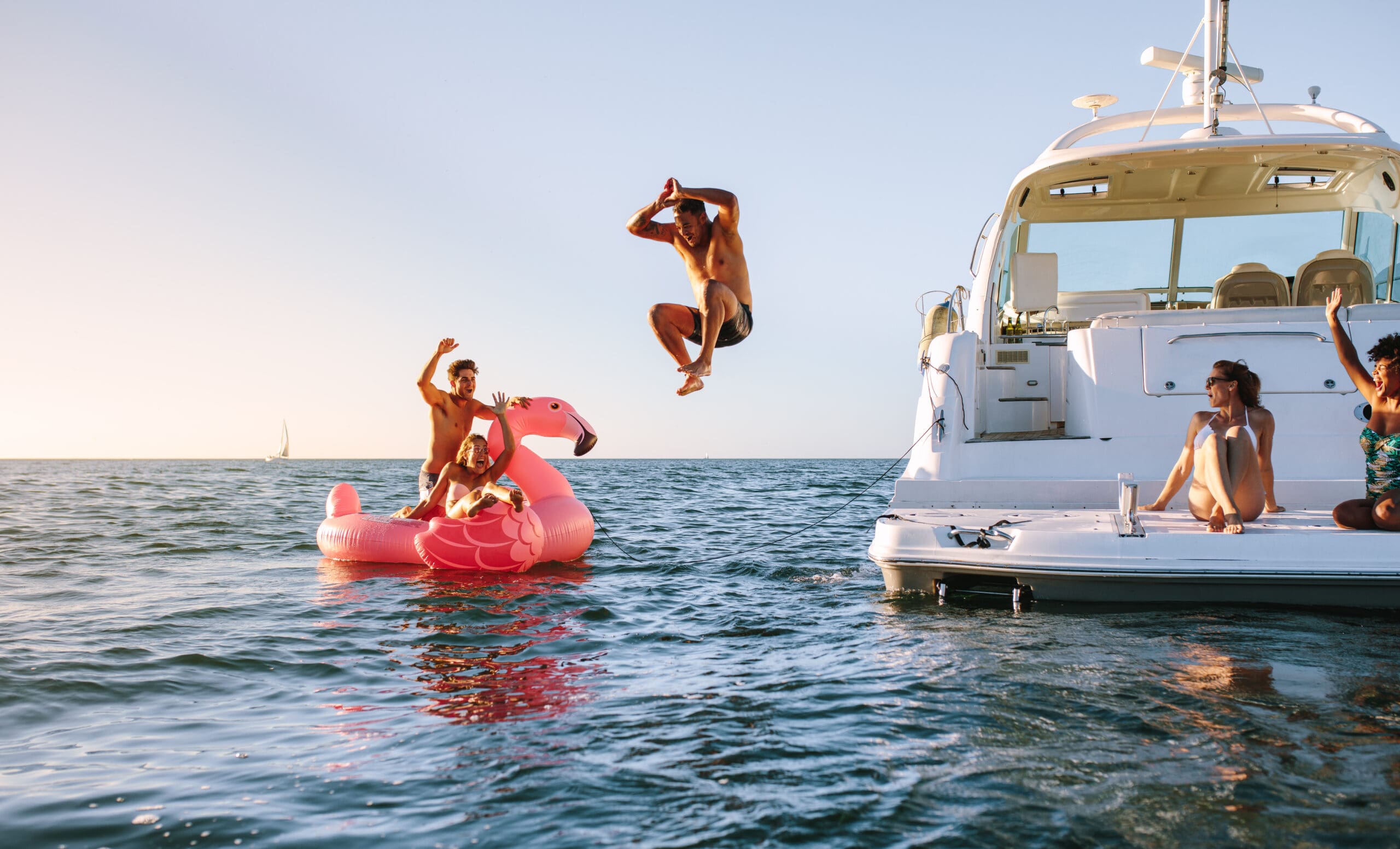 Whether you own a small fishing boat or a luxury yacht, a watercraft is a significant purchase. Just like you insure your car or your home, your boat deserves the same protection. Watercraft insurance ensures that if your boat is damaged, destroyed, or stolen, you’re not left with a huge financial loss.
2. Accidents Happen—Even on the Water
Boating accidents are more common than many realize. Collisions with other boats, submerged objects, or even docks can cause serious damage. Watercraft insurance can help cover the costs of repairs, replacement, or liability if you’re found at fault.
3. Liability Coverage Protects You from Legal Claims
If your boat causes injury to someone else or damages their property, you could be held financially responsible. Liability coverage included in a watercraft policy can help pay for medical bills, legal defense, and court-awarded damages.
4. It Covers Theft and Vandalism
Boats are high-value items that can be targeted by thieves—especially when stored at docks or in unsecured areas. A watercraft insurance policy can help cover theft, vandalism, and attempted theft, giving you peace of mind wherever your boat is stored.
5. Weather and Natural Disasters Can Strike Without Warning
Storms, floods, and high winds can cause serious damage to watercraft—even when they’re docked or in storage. Insurance can help pay for repairs or replacement if your boat is affected by a weather-related event.
6. Many Marinas and Lenders Require Insurance
If you store your boat at a marina or have financed your purchase, you may be required to carry watercraft insurance. Marinas often require liability coverage to protect against accidents on their property, and lenders typically demand full coverage until the boat is paid off.
7. It Can Cover On-Water Towing and Emergency Services
If your boat breaks down on the water, towing and emergency assistance can be expensive. Many watercraft insurance policies offer coverage for towing, fuel delivery, and even jump starts to help get you back to shore safely.
8. Protect Your Passengers with Medical Payments Coverage
If someone is injured while on your boat, watercraft insurance can help pay for their medical expenses, regardless of who is at fault. This coverage can be especially important if you often take friends or family out on the water.
9. Custom Equipment and Accessories Are Covered
Many boaters invest in custom electronics, navigation systems, or fishing gear. Watercraft insurance can include coverage for personal property and custom equipment onboard your vessel, ensuring everything you’ve added is protected—not just the boat itself.
10. Peace of Mind Means More Enjoyment on the Water
Ultimately, watercraft insurance gives you the freedom to enjoy your time on the water without worrying about the “what ifs.” Knowing you’re protected against financial losses, legal claims, or accidents allows you to focus on what matters most—enjoying your boat.
What Does a Typical Watercraft Insurance Policy Cover?
While policies can vary, a standard watercraft insurance policy typically includes:
- Physical damage coverage (collision, fire, theft, etc.)
- Liability protection
- Medical payments
- Uninsured/underinsured boater coverage
- On-water towing and assistance
- Coverage for personal items and equipment onboard
At Zingale & Associates, we help Ohio boaters find tailored policies that reflect how, when, and where they use their vessels.
How to Get the Right Coverage for Your Boat
Choosing the right watercraft insurance policy isn’t one-size-fits-all. Boats vary widely—from small fishing boats and pontoon boats to sailboats and yachts—so your coverage should reflect how you actually use your vessel. Getting the right coverage means evaluating your unique risks, understanding policy options, and working with someone who can guide you through the details.
Work with an Independent Insurance Agent
One of the most important steps is working with an independent insurance agency, like Zingale & Associates. Independent agents aren’t tied to one insurance provider, which means they can shop around and compare options across multiple carriers. This gives you access to better rates and more customizable policies that fit your boating lifestyle.
An independent agent will also walk you through coverages you may not have considered—like emergency towing, fuel spill liability, or equipment replacement coverage—ensuring there are no surprises down the line.
Evaluate the Type of Watercraft You Own
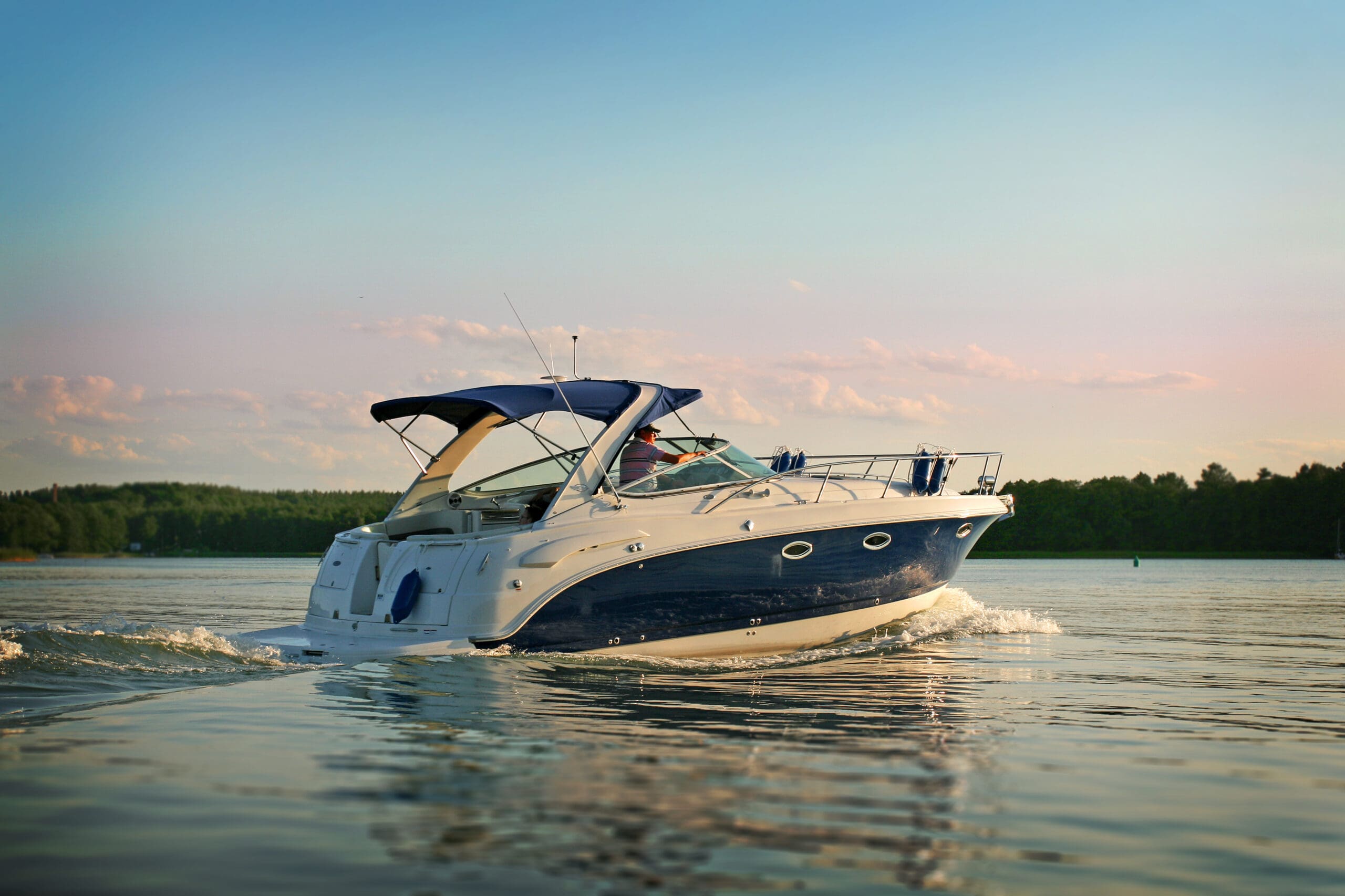
The size, type, and horsepower of your boat play a major role in determining what coverage you need. A small fishing boat with a modest outboard motor might require basic coverage, while a speedboat or cabin cruiser will likely need more robust protection due to higher replacement costs and greater liability risks.
Also consider whether your boat has expensive electronics, fishing gear, or custom add-ons—these often need to be listed separately to ensure full protection.
Consider Where and How Often You Use It
Your insurance should reflect how often and where you use your boat. Are you on the water every weekend or just a few times a year? Do you boat locally in Ohio’s lakes and rivers, or do you travel out of state or into coastal waters?
Some policies have geographic limitations or seasonal usage clauses, so be upfront about your boating habits. If you use your boat year-round or trailer it to different regions, your policy should cover those extended uses.
Protect Against Liability and Lawsuits
One of the most overlooked areas of watercraft insurance is liability protection. If you’re at fault in a boating accident and someone is injured or their property is damaged, you could face significant legal and financial consequences. Make sure your policy includes sufficient liability limits to cover medical expenses, legal fees, and potential settlements.
For larger boats or high-net-worth individuals, an umbrella policy may be a smart addition to extend liability protection even further.
Understand Actual Cash Value vs. Agreed Value
Boat insurance policies typically pay out claims based on either actual cash value or agreed value. It’s important to know the difference:
- Actual Cash Value (ACV): This takes depreciation into account. If your boat is older or heavily used, you’ll receive a lower payout based on its depreciated value.
- Agreed Value: This means you and the insurer agree upfront on what the boat is worth. In the event of a total loss, you’ll receive the full agreed amount, with no depreciation deducted.
For newer or high-value boats, agreed value coverage often makes more sense, even though it may come with slightly higher premiums.
Ask About Additional Coverage Options
Depending on your needs, you may want to include extra protection in your policy. Some valuable options include:
- Towing and Emergency Assistance: Covers the cost of towing if your boat becomes disabled on the water.
- Personal Effects Coverage: Protects items like fishing gear, electronics, and clothing on board.
- Mechanical Breakdown Coverage: Covers costly repairs to engines or equipment that fail due to wear and tear.
- Trailer Coverage: Insures your boat trailer against damage or theft.
- Uninsured Boater Coverage: Protects you if you’re in an accident caused by another boater who lacks adequate insurance.
Discuss these options with your agent and select what best aligns with your budget and lifestyle.
 Review and Update Your Policy Regularly
Life changes—and so does the way you use your boat. If you’ve added new equipment, upgraded your engine, or moved your boat to a new storage location, these changes could impact your coverage needs. Review your policy annually, or any time you make major changes to your boat or how you use it. An updated policy ensures you’re never caught off guard when you need to file a claim.
Don’t Leave Your Boat Unprotected
At Zingale & Associates, we understand the needs of Ohio boaters. Contact us today for a personalized quote and let us help you find the right watercraft insurance for your lifestyle and budget.