Owning a boat is a source of freedom and adventure, but it also comes with responsibilities and risks. From unexpected accidents to environmental hazards, being out on the water can bring potential liabilities. Watercraft insurance offers vital protection, ensuring that boat owners can enjoy their time on the water with peace of mind. We will cover the essentials of watercraft insurance, from what it covers to how to choose the right policy for your boating needs.
What is it?
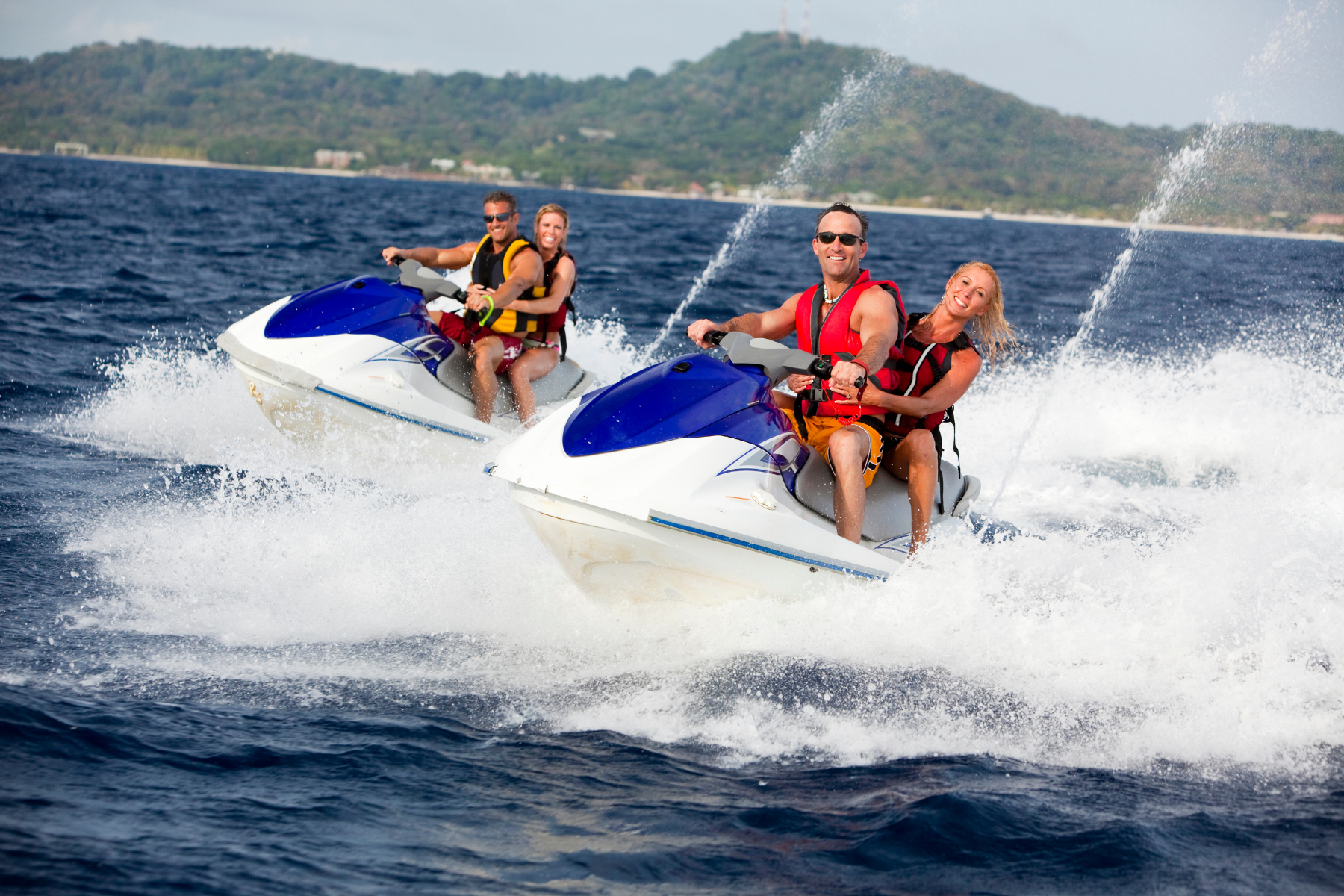
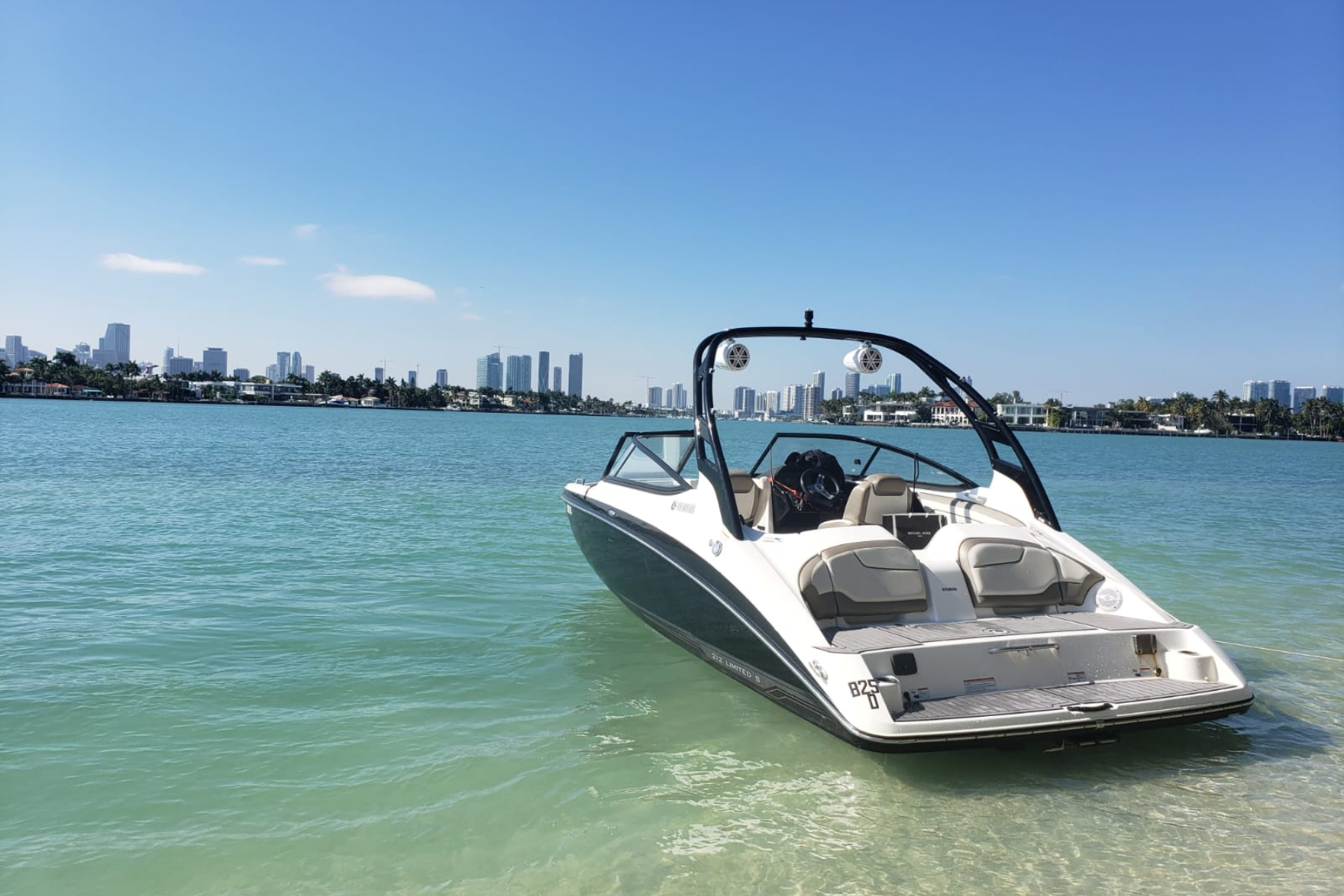 Watercraft insurance, often called boat insurance, provides financial protection for various types of boats, from sailboats and fishing boats to personal watercraft like jet skis. A standard watercraft insurance policy typically includes coverage for property damage, liability, and medical expenses, safeguarding boat owners from significant out-of-pocket costs due to accidents, damage, or legal claims. Unlike auto insurance, which is mandatory in most places, watercraft insurance is not required by law in all states but is highly recommended for the financial security it offers.
Core Components
- Physical Damage Coverage: This part of your policy covers damage to your boat caused by accidents, theft, vandalism, fire, and weather-related incidents. Physical damage coverage includes repairs or replacement of the hull, engine, and other essential components. It’s important to note whether your policy offers “agreed value” or “actual cash value” coverage. Agreed value covers the boat’s worth when the policy was taken out, while actual cash value considers depreciation.
- Liability Coverage: Liability insurance protects you financially if you’re responsible for damages or injuries to others while operating your boat. This includes property damage to other boats or docks and covers legal expenses if you face a lawsuit. Given the high potential costs of liability claims, adequate liability coverage is crucial for any boat owner.
- Medical Payments Coverage: In the event of an accident, medical payments coverage helps pay for medical expenses for you, your passengers, or anyone injured on your boat, regardless of fault. This coverage can be a lifesaver, especially in cases where immediate medical attention is needed.
- Uninsured/Underinsured Boater Coverage: If you’re involved in an accident with another boater who doesn’t have insurance or has insufficient coverage, uninsured or underinsured boater coverage steps in to cover your medical expenses or damages. This type of coverage is especially valuable given that not all boaters carry insurance.
- Environmental Damage Coverage: Certain watercraft insurance policies offer protection against fuel spills or other environmental damage that could result from an accident. Environmental coverage helps protect you from costly cleanup and regulatory fines, ensuring that your time on the water is responsible and enjoyable.
Additional Coverage Options
In addition to the core components, boat owners may want to consider extra coverage options based on their unique needs:
- Personal Effects Coverage: This option covers personal belongings like fishing equipment, electronics, and water sports gear stored on your boat. Since standard policies may not cover these items, personal effects coverage can provide extra peace of mind.
- On-Water Towing and Assistance: Boats can break down unexpectedly, leaving you stranded on the water. Towing and assistance coverage helps cover costs associated with towing services, jump-starts, and fuel delivery, similar to roadside assistance for cars.
- Trailer Coverage: If you use a trailer to transport your boat, trailer coverage can help cover repairs or replacement if your trailer is damaged or stolen.
Choosing a Watercraft Insurance Policy
Selecting the right watercraft insurance policy is essential for comprehensive protection. Here are some important factors to keep in mind:
- Boat Type and Usage: The type of boat you own and how frequently you use it can impact the kind of coverage you need. For instance, personal watercraft like jet skis may require different coverage than a larger fishing boat used for extended trips.
- Navigational Limits: Some policies have geographical restrictions, known as navigational limits, which determine where your boat can operate under the policy. Ensure that your coverage includes the waters you plan to navigate, whether they’re local lakes, rivers, or coastal regions.
- Storage and Lay-Up Periods: Many insurers offer discounts if your boat is stored or not in use during specific periods. Make sure your insurer is aware of when your boat is out of the water to save on premium costs.
- Deductible Amount: Choosing a deductible—the amount you pay out of pocket before coverage kicks in—can impact your policy’s cost. Higher deductibles usually mean lower premiums, but make sure it’s an amount you can comfortably afford in case of an accident.
- Policy Exclusions: Carefully review exclusions, which are scenarios or conditions not covered by the policy. For instance, some policies may not cover damage from certain natural disasters or accidents that occur while the boat is rented out.
Benefits for Boat Owners
 Having watercraft insurance offers financial protection, but the benefits go beyond that. First, insurance brings peace of mind, allowing you to enjoy your time on the water without worrying about potential financial loss from accidents or damage. Watercraft insurance also supports responsible boating by covering environmental damage and reducing the impact on the ecosystem. Furthermore, if you finance your boat, lenders typically require insurance to protect their in
Zingale & Associates: The Best Insurance Agency Since 2000
Protect your loved ones with the expert guidance of Zingale & Associates. Insurance can be complex, but our team is here to simplify it. Call us today at (216) 616-2062 or visit our website, and let us help you decode the intricacies of insurance.