A trailer is easy to overlook when you think about insurance, right up until something happens to it. Whether you tow a small utility trailer, haul a boat, or travel with a camper, the coverage behind that trailer is not always what owners assume. Trailer insurance is the coverage that protects the trailer itself and helps fill the gaps your auto policy may leave, which is where our trailer and camper coverage comes in. We work with owners across Ohio who want to understand what is covered before they hitch up and head out.
What Trailer Coverage Is and When You Might Need It
Trailer insurance is coverage built around a towed unit rather than a self powered vehicle. It typically helps pay to repair or replace the trailer after a covered loss, and depending on the policy it can extend to liability, contents, and other protections tied to how the trailer is used. Coverage varies by insurer and policy form, so the descriptions here explain what trailer insurance generally does rather than what any specific policy provides.
You might consider trailer insurance if you own a trailer worth protecting, if a lender requires coverage on a financed trailer, or if you want protection for the trailer itself rather than only the liability that comes from your auto policy. Ohio does not generally require a separate policy for a non motorized trailer you tow, though the liability on your tow vehicle still needs to meet state requirements, and a lender may require physical damage coverage on a trailer you are still paying off.
How Trailer Coverage Relates to Your Auto Insurance
This is the part most owners get wrong, and it is worth understanding before you tow. Your auto policy and trailer insurance do different jobs, and the line between them tends to surface at the worst possible moment.
Liability While Towing
In most cases, the liability coverage on your tow vehicle extends to a trailer while it is attached and you are towing it. That means if the trailer is involved in an incident that injures someone else or damages their property, your auto liability may respond, up to the limits on that policy. It helps to list the trailer on your auto policy so there is no question about coverage while towing, and that is one of the details worth reviewing before any road trip or day of boating.
Physical Damage to the Trailer
Here is the gap. The liability on your auto policy generally does not pay to repair the trailer itself. Collision and comprehensive coverage on your vehicle usually do not extend to a trailer, which means a damaged, stolen, or storm struck trailer may not be covered unless you have added protection for it. Trailer insurance is what closes that gap, covering physical damage to the trailer through collision and comprehensive style coverage, depending on the policy.
Common Types of Trailers Owners Insure
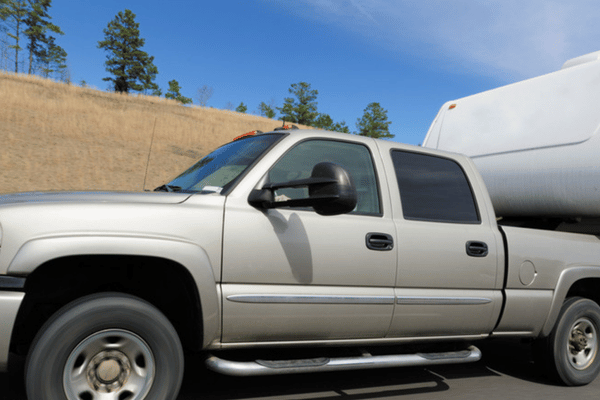
Trailers come in many forms, and the coverage that fits one may not fit another. The categories below cover the most common reasons owners look into trailer insurance.
Utility Trailers
Utility trailers used to haul equipment, yard waste, or gear are often the simplest to insure. Many owners add trailer insurance for a utility trailer to an existing auto policy, though the way physical damage is handled still depends on the policy. If the trailer carries valuable equipment, it is worth asking how, or whether, that cargo is covered.
Campers and Travel Trailers
Campers and travel trailers introduce more to protect. Beyond the structure of the trailer, a policy may address personal belongings kept inside, liability while the camper is parked and used as a living space, and roadside assistance while traveling. Coverage for a camper often looks closer to a recreational vehicle policy than to simple utility trailer coverage, so the options are broader and worth reviewing carefully. If you also tow a boat, it is worth folding that into your seasonal and summer coverage so nothing is missed.
Trailers Used for Business
How a trailer is used matters as much as what it is. A trailer used to support a business, rather than for personal use, may fall outside a personal auto or trailer policy, since personal policies often exclude business use. A contractor hauling tools or a vendor towing equipment may need commercial coverage instead. If your trailer plays any role in your work, confirm with your agent whether a personal or a commercial policy fits before you rely on it.
What a Trailer Policy Typically Covers
Coverage varies, but trailer insurance commonly brings a few protections together. Physical damage coverage can help repair or replace the trailer after a covered cause of loss, which often includes collision as well as events such as fire, theft, vandalism, and certain weather related damage. For campers and travel trailers, a policy may add coverage for personal belongings kept inside, along with liability that applies while the unit is parked and in use. Some policies also offer roadside assistance for a breakdown while towing. What any given policy includes depends on the insurer and the coverage you select.
What a Trailer Policy Typically Does Not Cover
Understanding the limits matters as much as understanding the coverage. Trailer insurance generally responds to sudden and accidental loss rather than gradual problems, so normal wear and tear, rust, and routine maintenance are typically excluded. Damage from failing to maintain the trailer usually falls to the owner. Depending on the policy, the belongings inside a utility trailer may not be covered the way a camper’s contents can be, and business use may be excluded from a personal policy. Reviewing what a policy leaves out is the reliable way to avoid a surprise at claim time, and the same careful comparison matters when you are buying your first policy of any kind.
What to Clarify Before You Tow
A few questions answered ahead of time can save a great deal of trouble later. Is the trailer listed on your auto policy, and does your liability extend to it while towing? Is there any coverage for physical damage to the trailer itself, or would you need to add it? Are the contents of the trailer covered, and does that differ between a utility trailer and a camper? Does the way you use the trailer, whether personal or business, match the policy you are relying on? Asking these questions before you hitch up makes it far easier to match trailer insurance to the trailer in front of you.
Trailer Coverage Checklist Before You Tow
- Confirm the trailer is listed on your auto policy so there is no question about liability while towing.
- Check whether physical damage to the trailer is covered or needs to be added.
- Ask how the contents of the trailer are handled, especially for a camper or a trailer carrying valuable equipment.
- Confirm whether your use is personal or business, since a personal policy may exclude business use.
- Review liability coverage for a camper while it is parked and used as a living space.
- Ask about roadside assistance if you tow long distances.
- Confirm any coverage a lender requires on a financed trailer.
- Review your coverage whenever the trailer, its use, or its contents change.
Talk With Our Team About Trailer Coverage
At Zingale & Associates, we work with owners across Ohio who want coverage that fits how their trailer is actually used. Our team of experienced insurance professionals can walk you through how your auto policy and trailer insurance work together, what physical damage coverage adds, and which options fit a utility trailer, a camper, or a trailer used for work. Call (216) 249-7878 or reach out on our website to review your coverage before your next tow.
Frequently Asked Questions About Trailer Coverage
1. What Does Trailer Insurance Cover?
Trailer insurance covers physical damage to the trailer from covered causes such as collision, fire, theft, and weather. Depending on the policy, it may also add contents and liability coverage for campers.
2. Does My Auto Policy Cover a Trailer I Tow?
Usually for liability only. The liability on your tow vehicle typically extends to a trailer while towing, covering damage to others. It generally does not pay to repair the trailer itself.
3. Do I Need Separate Coverage for a Utility Trailer?
It depends. Many owners add a utility trailer to an existing auto policy. Whether physical damage to the trailer is covered depends on the policy, so confirm it rather than assume.
4. Are Campers Insured Differently Than Utility Trailers?
Often yes. Coverage for a camper or travel trailer tends to resemble a recreational vehicle policy, with options for contents and parked liability that a simple utility trailer policy may not include.
5. Is Trailer Coverage Required in Ohio?
Not generally for a towed trailer. The liability on your tow vehicle still must meet state requirements, and a lender may require physical damage coverage on a trailer you are financing.
6. Does a Trailer Policy Cover the Belongings Inside?
Sometimes, depending on the policy. Campers and travel trailers may include contents coverage for personal belongings. A utility trailer’s cargo is treated differently, so ask how yours is handled.
7. What About a Trailer I Use for Business?
A personal policy may exclude business use. A trailer used to support your work may need commercial coverage instead, so confirm with your agent which type of policy fits your situation.
8. Does My Coverage Apply While the Trailer Is Parked?
It can, depending on the policy. For campers used as a living space, a policy may include liability while parked, and physical damage coverage may also apply to a stored trailer.
9. Can I Add a Trailer to My Existing Policy?
Often yes. Many insurers let you add a trailer as an endorsement to an auto policy, while others write a separate one. The approach depends on how it is used.
10. When Should I Review My Trailer Coverage?
Review it whenever the trailer, how you use it, or what you haul changes, and otherwise on a regular basis. Coverage that fit one season may not fit the next.