
Owning rental properties in Ohio can be a lucrative investment, whether you’re managing a single-family home in Columbus, an apartment building in Cleveland, or a duplex in Cincinnati. However, being a landlord comes with unique risks, from tenant-caused damage to liability claims and natural disasters. Landlord insurance, also known as rental property insurance or a landlord policy (often DP-3), provides specialized coverage to protect your investment.
What is Landlord Insurance?
Landlord insurance is a type of property insurance specifically designed for rental properties. Unlike standard homeowners insurance, which assumes you live in the home, landlord policies account for the higher risks associated with tenants, such as vandalism, burglary, or accidental damage. It protects the physical structure of your rental property, your financial interests as a landlord, and you from liability claims.
According to Zingale & Associates, landlord policies cover risks like fire, theft, vandalism, and natural disasters, while providing liability protection if a tenant or visitor is injured on the property. Policies are tailored to your specific situation, ensuring you get the right coverage at an affordable price. For Ohio landlords, this is crucial in a state with diverse weather patterns, from heavy snow in Akron to tornado risks in Dayton.
Why Ohio Landlords Need a Landlord Policy
 Renting out property exposes you to risks that a standard homeowners policy won’t cover. If you switch a primary residence to a rental without updating your insurance, claims may be denied. Zingale & Associates emphasizes that landlord insurance protects against tenant-caused damage, making properties unusable, and covers repair costs, replacements, legal fees from disputes, and lost rental income.
Key reasons Ohio landlords need this coverage:
- Tenant-Related Risks: Tenants may accidentally or maliciously cause damage, such as water leaks or vandalism.
- Liability Exposure: Landlords are 10 times more likely to face lawsuits from tenants or guests than from personal residence visitors, per Zingale & Associates.
- Income Protection: If a covered event makes the property uninhabitable, loss of rental income coverage reimburses lost rent.
- Financial Security: Without insurance, repairs or legal battles could wipe out your investment profits.
In Ohio, where rental demand is strong in cities like Columbus and Cincinnati, protecting your cash flow is essential.
Key Coverage Options in Landlord Insurance
Landlord policies are highly customizable. Zingale & Associates highlights several critical coverages:
- Property Damage: Covers repairs for damage from fire, wind, hail, or tenant mishaps like burst pipes.
- Loss of Income (Fair Rental Value): Reimburses lost rent if the property is uninhabitable due to a covered loss, such as after a fire.
- Liability Protection: Pays for legal fees, medical bills, or settlements if someone is injured on your property.
- Vandalism: Protects against malicious acts, including graffiti or deliberate destruction.
- Burglary: Covers replacement of landlord-provided items like appliances (ovens, refrigerators), washers/dryers, or landscaping equipment.
- Building Code Compliance: Ensures repairs meet current local codes, which may have updated since original construction.
- Vacancy Endorsement: Essential for properties vacant over 30 days (e.g., during renovations or between tenants), covering accidental damage that standard policies exclude.
- Flooding: Separate or add-on coverage for flood damage from heavy rains or snowmelt; Zingale recommends preventive measures like sump pumps and proper grading.
- Personal Umbrella Policy: Extra liability for landlords with multiple properties, covering excesses beyond standard limits.
- Additional Structures: Covers garages, sheds, or fences on the property.
These options ensure comprehensive protection tailored to Ohio’s risks.
Is Landlord Insurance Required in Ohio?
Ohio law does not mandate landlord insurance for rental properties. However, if your property has a mortgage, your lender will almost certainly require it to protect their investment. Many landlords also require tenants to carry renters’ insurance, which covers their personal belongings and provides additional liability protection.
Zingale & Associates advises forming a Limited Liability Company (LLC) for rental properties to further shield personal assets from lawsuits, limiting liability to the property itself. While not required, landlord insurance is highly recommended to avoid devastating out-of-pocket expenses.
How Much Does Landlord Insurance Cost in Ohio?
The average cost of landlord insurance in Ohio ranges from $950 to $1,100 per year, depending on sources—lower than the national average due to Ohio’s moderate risk profile. Factors influencing costs include:
- Property Value and Location: Higher-value properties or those in urban areas like Cleveland (higher theft risk) or flood-prone Toledo cost more.
- Coverage Limits: Higher deductibles lower premiums; more add-ons (e.g., flood or vacancy) increase them.
- Number of Units: Multi-unit buildings may qualify for discounts but require broader coverage.
- Property Age and Condition: Older homes or those needing updates face higher rates.
- Claims History: Clean records yield lower premiums.
For a standard single-family rental, expect $80–$100 monthly. Zingale & Associates works with top insurers to find competitive, customized rates, often bundling for savings.
Regional Considerations for Ohio Landlords
Ohio’s varied climate and geography affect insurance needs:
- Weather Risks: Tornadoes (average 20 annually), heavy snow, and hail in areas like Dayton or Akron require robust property damage coverage.
- Flooding: Common along the Ohio River or in low-lying areas; standard policies exclude floods, so add NFIP coverage.
- Urban Challenges: Higher vandalism/burglary in cities like Columbus or Cincinnati—emphasize liability and burglary protection.
- Rural Areas: Vacant properties during tenant turnover need vacancy endorsements.
Zingale & Associates understands these local factors and tailors policies accordingly.
Tips for Choosing the Right Landlord Policy
- Assess Risks: Inventory landlord-provided items (appliances, etc.) and consider tenant history.
- Review Add-Ons: Prioritize vacancy, flood, or umbrella based on your properties.
- Compare Quotes: Zingale & Associates provides options from multiple carriers.
- Bundle Policies: Combine with personal umbrella or auto for discounts.
- Require Tenant Renters Insurance: Reduces your liability exposure.
- Form an LLC: Extra asset protection, as recommended by Zingale.
- Annual Reviews: Update as properties change or codes evolve.
Zingale & Associates guides you through this process with personalized service.
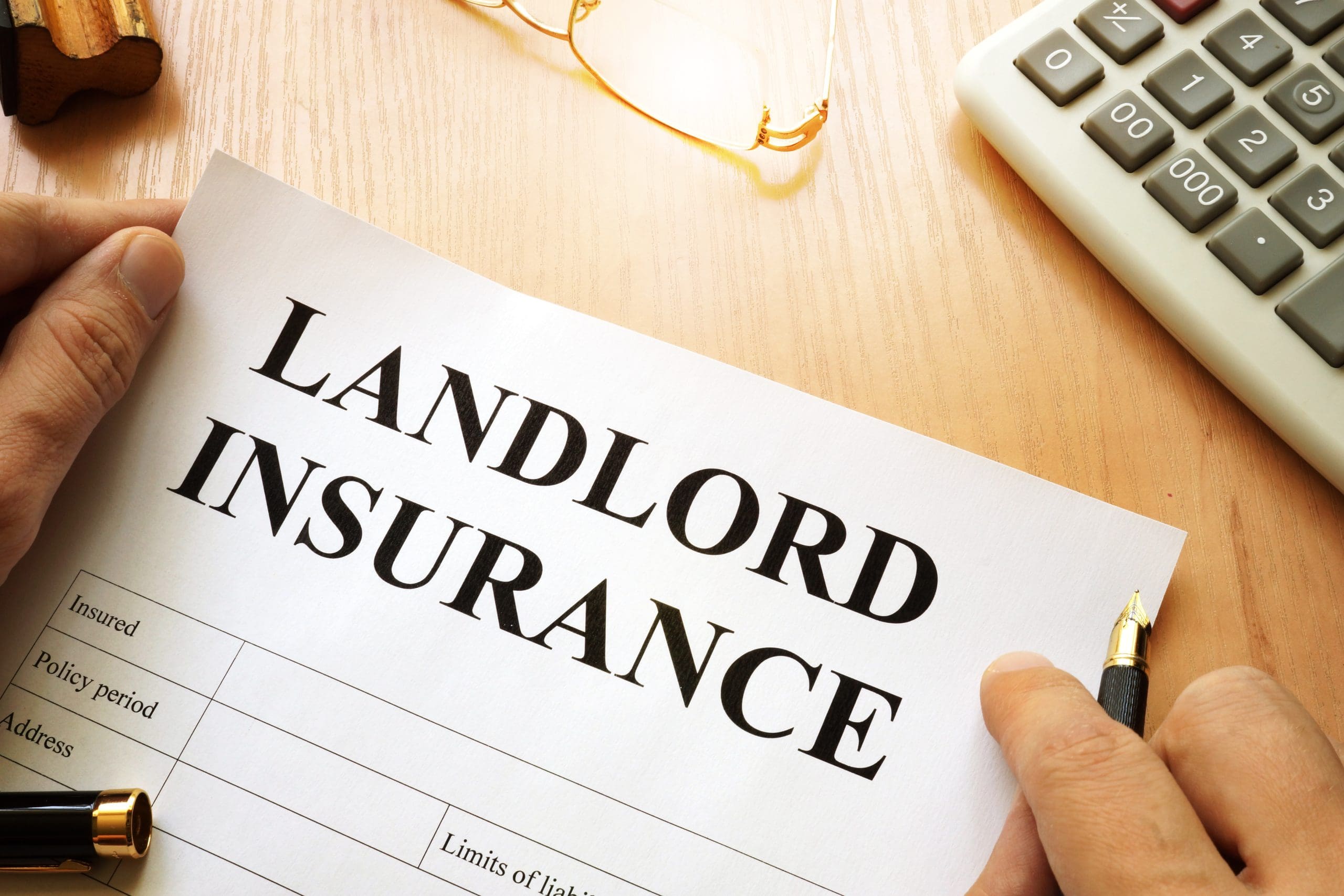 Why Landlord Insurance Matters
Without proper coverage, a single incident—like severe tenant vandalism costing $20,000 in repairs or a $50,000 liability lawsuit—could jeopardize your investment. Landlord insurance provides peace of mind, ensuring you can recover quickly and continue generating income.
Why Choose Zingale & Associates?
Zingale & Associates excels in landlord insurance for Ohio property owners. Their team customizes policies to your needs, offering affordable rates and expert advice on risks like flooding or vacancy. With strong carrier partnerships, they ensure comprehensive protection. Contact them at (216) 249-7878 or visit our website.
Get Started with Zingale & Associates Today
Secure your Ohio rental properties with a tailored landlord policy from Zingale & Associates. Their experts will review your needs, explain coverages like liability and loss of income, and provide a free quote. Don’t risk your investment—reach out today for peace of mind and robust protection.
Common FAQS About Landlord Insurance
1. What is landlord insurance, and how is it different from homeowners insurance?
Landlord insurance is designed specifically for rental properties, while homeowners insurance assumes the owner lives in the home. A landlord policy accounts for tenant-related risks such as vandalism, accidental damage, liability claims, and loss of rental income—coverages that standard homeowners insurance typically excludes.
2. What does landlord insurance in Ohio typically cover?
Landlord insurance in Ohio generally covers property damage from events like fire, wind, hail, vandalism, and theft. It also includes liability protection if someone is injured on the property and can provide loss of rental income coverage if a covered event makes the property uninhabitable.
3. Why do Ohio landlords need landlord insurance?
Ohio landlords face risks such as tenant-caused damage, liability lawsuits, severe weather, and income loss during repairs. Without landlord insurance, these expenses must be paid out of pocket, which can quickly eliminate rental profits or jeopardize long-term investments.
4. Is landlord insurance required by law in Ohio?
Landlord insurance is not legally required in Ohio. However, mortgage lenders almost always require it, and carrying coverage is strongly recommended to protect against costly repairs, lawsuits, and lost rental income.
5. Does landlord insurance cover tenant damage?
Yes. Landlord insurance can cover accidental or malicious tenant damage, such as burst pipes, broken fixtures, or vandalism, depending on the policy and endorsements selected.
6. What is loss of rental income coverage?
Loss of rental income coverage, also known as fair rental value coverage, reimburses landlords for lost rent if a covered claim—such as a fire—makes the property temporarily uninhabitable while repairs are completed.
7. How much does landlord insurance cost in Ohio?
Landlord insurance in Ohio typically costs between $950 and $1,100 per year, or about $80–$100 per month for a single-family rental. Pricing depends on factors like property location, value, age, number of units, coverage limits, and claims history.
8. Does landlord insurance cover vacant rental properties?
Standard landlord policies may limit coverage if a property is vacant for more than 30 days. A vacancy endorsement is recommended to ensure protection during tenant turnover, renovations, or extended vacancies.
9. Is flood damage included in landlord insurance?
Flood damage is not included in standard landlord insurance policies. Ohio landlords in flood-prone areas should purchase separate flood insurance or add flood coverage to protect against damage from heavy rain, snowmelt, or river overflow.
10. Should Ohio landlords require tenants to carry renters insurance?
Yes. Requiring renters insurance helps protect tenants’ personal belongings and adds an extra layer of liability protection, reducing the likelihood that tenants will pursue claims against the landlord’s insurance policy.