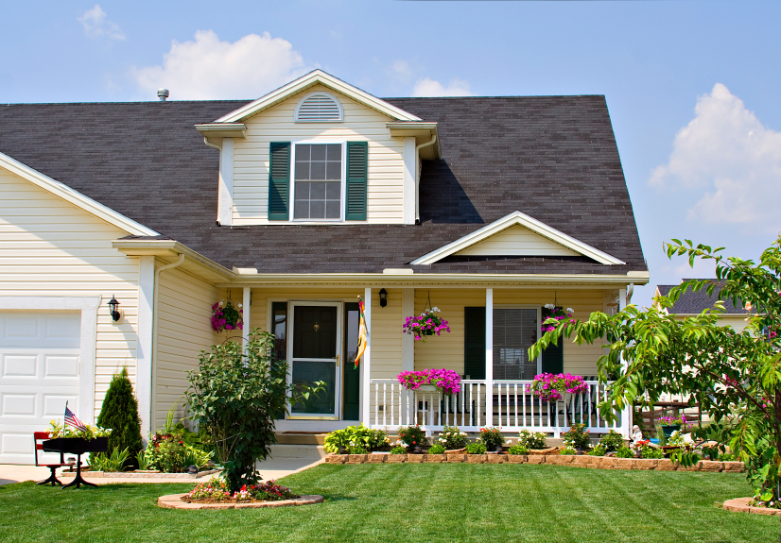
Homeowners insurance is a critical aspect of home ownership, offering valuable protection against potential risks and damages. This form of insurance policy safeguards homeowners against financial loss caused by disasters, theft, or accidents within their property. It typically covers the physical home structure, personal belongings within the property, liability for injuries or damage caused to others on the property, and living expenses in case the home becomes uninhabitable. Navigating homeowners insurance can be complex, but understanding its basic components is essential for every homeowner.
Types of Insurance for Homeowners Policies
There are several types of homeowners insurance policies available, each designed to cater to different needs and circumstances.
- HO-1: Basic Form – This is the most minimal policy, covering only a handful of potential problems, including fire, theft, and certain types of liability.
- HO-2: Broad Form – This policy covers all the issues listed in HO-1, along with additional hazards like damage from falling objects, water damage, and weight of ice, snow, or sleet.
- HO-3: Special Form – One of the most popular policies, HO-3 offers comprehensive coverage for your home, other structures, and loss of use, while personal property is covered against named perils.
- HO-4: Tenant’s Form – Specifically for those who rent their living space, this policy covers personal property against the same perils as HO-2 and often includes liability coverage.
- HO-5: Comprehensive Form – The most comprehensive form of homeowners insurance, this policy works on an open peril basis, meaning it can cover all risks except those specifically excluded in the policy.
- HO-6: Condo Form – This policy is for condo owners, covering personal property and offering liability coverage as well as portions of the building not covered by the association’s policy.
- HO-8: Older Home Form – Designed for older homes, this policy usually covers the same set of perils as HO-2, but it only pays for repairs up to the actual cash value of the item – replacement cost is not considered.
Remember, the best policy for you depends on your specific needs and circumstances, so it’s beneficial to discuss your options with an insurance professional.
Coverage Components of Insurance for Homeowners
Understanding the components of your homeowner’s insurance policy is key to ensuring you have the right level of coverage. Here are the primary coverage components:
Dwelling Coverage
This is the core part of any homeowners insurance policy, covering the main structure of your home and attached structures like a garage. It protects against a range of common perils such as fire, theft, or wind damage.
Personal Property Coverage
This component covers the cost to repair or replace personal belongings within your home, including furniture, electronics, clothing, and more. It can provide coverage for your items, even if they’re damaged or stolen outside of your home.
Liability Protection
Liability coverage is an essential part of your policy, providing protection if someone is injured on your property, or if you or a family member causes damage to someone else’s property.
Additional Living Expenses (ALE)
If your home is damaged to the point where it’s uninhabitable, ALE covers the costs of living elsewhere while your home is being repaired or rebuilt. This can include hotel bills, restaurant meals, and other costs over and above your typical living expenses.
Other Structures
This covers structures on your property that aren’t attached to your main home, like a detached garage, tool shed, or fence.
Medical Payments
This covers the medical costs if someone (who doesn’t live with you) gets injured on your property.
Remember, the coverage limits of a homeowners insurance policy vary based on the policy type and the homeowner’s specific needs. It’s crucial to review your policy details regularly to ensure your coverage keeps up with your changing needs.
Factors Influencing Homeowners Insurance Rates
Several factors can influence homeowners insurance rates, making your premiums higher or lower depending on your unique circumstances.
- Location: Where your home is located can significantly impact your insurance rates. Homes in areas prone to natural disasters like hurricanes, floods, or earthquakes may have higher premiums. Conversely, living near a fire station or in a community with a low crime rate could potentially lower your insurance costs.
- Home Age and Construction Type: Older homes or those constructed with materials more susceptible to damage may result in higher premiums. In contrast, homes built with sturdy, fire-resistant materials could be cheaper to insure.
- Home Value: The value of your home and the cost to replace it if it’s damaged or destroyed can directly affect your insurance premiums.
- Security and Safety Features: Homes equipped with safety features such as alarm systems, smoke detectors, and deadbolts may qualify for insurance discounts.
- Deductible Amount: A higher deductible, which is the amount you pay out of pocket before your insurance coverage kicks in, can lower your premium. However, in the event of a claim, you’ll be responsible for a larger portion of the costs.
- Claims History: If you’ve filed claims in the past, insurers may see you as a higher risk, which might increase your premiums.
- Credit Score: Insurers often use credit scores as part of their rate-setting process. A higher credit score may lead to lower premiums.
Remember, understanding these factors can give you more control over your homeowners’ insurance rates and help you secure adequate coverage.
Understanding Policy Exclusions
Just as it’s important to understand what your homeowners’ insurance policy covers, it’s equally vital to comprehend what it does not cover – these are known as policy exclusions. Common exclusions often include damage from floods or earthquakes, which require separate policies. Regular wear and tear or damage from negligence are typically not covered.
Also, while your policy may cover damage from pests, it likely won’t cover the removal of pests or infestations. It’s crucial to thoroughly read your policy, including the exclusions, to ensure you fully understand your coverage. If there’s something you’re unsure about, don’t hesitate to ask your insurance agent for clarification. Remember, knowing what your policy excludes can help you identify any additional coverages you may need to purchase separately.
Claims Process and Documentation

In the event of a loss, it’s crucial to understand the claims process to ensure quick and fair settlement. Initially, you should notify your insurance company about the incident as soon as possible. Provide all necessary details about what happened and the extent of the damage. The company may then send an adjuster to assess the damage and determine the cost of repair or replacement. It’s vital to maintain accurate documentation throughout the process, including receipts for any repair work or replacement purchases. Photographs or videos of the damage can also serve as valuable evidence when filing your claim. ç
Finally, ensure that you keep a record of all communication with the insurance company. Having thorough documentation can expedite the claims process and help avoid disputes regarding the claim payout. Remember, each insurance company may have its own specific procedures for filing a claim, so it’s important to familiarize yourself with these requirements.
Understanding Homeowners Insurance
Ready to explore your insurance for homeowners options? Don’t hesitate to get in touch with us at Zingale & Associates. Our team of insurance professionals is committed to providing comprehensive coverage that suits your unique needs. We’re here to help you navigate through the complexities of insurance policies and ensure you’re adequately protected. Give us a call today at (216) 393-3300 or visit our website to discuss your homeowners insurance needs.

The path to becoming an insurance agency owner has been exciting. I attended the University of Akron and then went on to join the U.S. Army, which instilled values in me that I carry to this very day.
I take pride in supporting local communities. I sat on the board of trustees for a local Chamber of Commerce. I also sponsor community events, including sponsoring local high school sports teams and a fundraiser to support the Make-a-Wish Foundation. I’ve also sponsored a child in Africa through the One Child Matters Foundation.
Family is especially important to me. I am married and have four amazing children, a son who has graduated with his master’s degree and now married, a daughter who has graduated with her bachelor’s degree, a daughter attending her third of college and a daughter who is first-year student in college. I’ve learned a great deal of what it means to place family first from my mother, who is a strong woman who has raised six children of her own and has always put her family first despite the trials and tribulations she faced along the way.
https://www.facebook.com/lynard.zingale
https://www.linkedin.com/in/lynard-zingale-99598312/